
🏗️
Small Factories
Basic production tracking, inventory control, and billing integration.
Gain control over production, inventory, costing, and compliance with a structured ERP system designed for manufacturing environments.
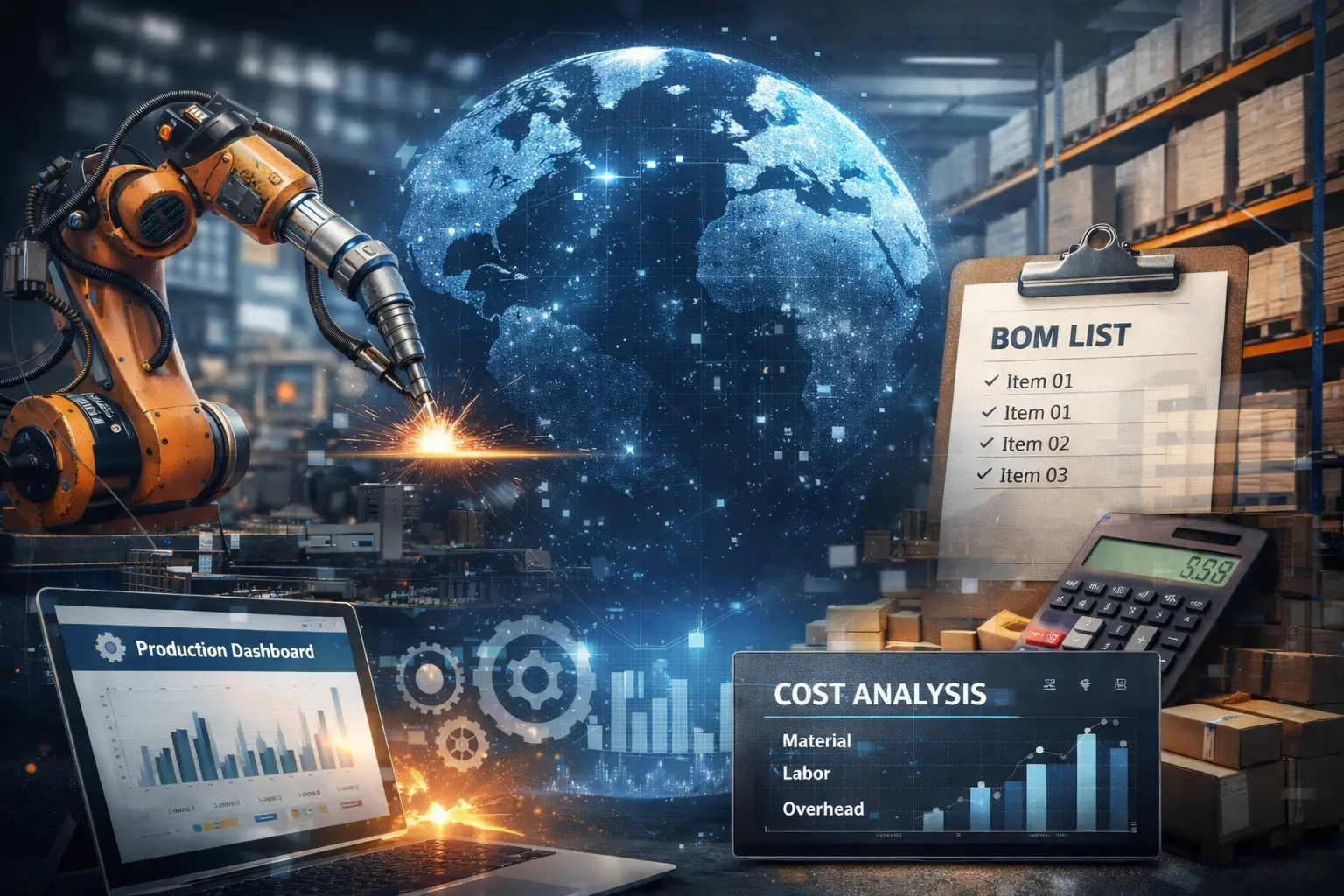
Spreadsheets and disconnected systems create operational blind spots in production-driven environments.
Manual coordination between production, stores, and accounts leads to mismatched stock and inaccurate costing.
Batch-level tracking becomes difficult when purchase, consumption, and finished goods are not synchronized.
Raw material variation, wastage, and overhead allocation impact real profit margins.
Without centralized reporting, decision-making becomes reactive instead of data-driven.
Manufacturing environments demand structured coordination between production planning, inventory movement, costing accuracy, and statutory compliance.
A reliable ERP platform should not only record transactions — it must enforce process discipline across departments. From raw material inward to finished goods dispatch, every movement should reflect in real-time financial and operational reporting.
Multi-level BOM structures, production planning, job work coordination, and material consumption control.
Track raw materials to finished goods with batch traceability, expiry monitoring, and live stock updates.
Allocate material, labor, overhead, and wastage to calculate true product-level profitability.
Structured documentation, stock registers, and statutory alignment for regulatory confidence.
Structured scalability across operational complexity levels.
Basic production tracking, inventory control, and billing integration.
Department-wise reporting, costing clarity, and workflow approvals.
Centralized reporting with branch-level operational visibility.
Designed to align production control with financial visibility.
Automatic material consumption posting to ledgers.
Live updates across raw material and finished goods.
Production summary, wastage analysis, and profitability dashboards.
Expand users, plants, and modules without system instability.
A structured manufacturing ERP eliminates gaps between production activity and financial reporting.
Purchase entries automatically update stock and create financial postings for accurate material valuation.
BOM-based material consumption reduces stock in real time while recording production output.
Production completion updates finished goods inventory ready for sales and distribution.
Invoices automatically reflect stock movement, GST impact, and ledger updates.
Management dashboards show product-level margins, cost variance, and operational efficiency.
Chemical, agri-products, packaging, and factory environments require structured operational discipline.
Especially critical for chemical and agri-products where traceability and expiry control are mandatory.
Track expected vs actual consumption to reduce hidden production losses.
Avoid mismatch between physical stock and accounting inventory records.
Track inward and outward challans, material movement, and vendor accountability.
Centralized control across multiple production units under one reporting structure.
GST records, stock registers, and production logs must remain audit-ready at all times.
Manufacturing ERP is not just software — it is structural control.
Synchronised material consumption and finished goods updates reduce inventory discrepancies.
Accurate costing reveals which products are profitable and which require price correction.
Integrated accounts eliminate manual reconciliation delays.
Better stock visibility prevents over-purchasing and capital blockage.
Practical clarity before ERP implementation.
Formulation management, batch traceability, quality control, compliance records, costing, and production visibility.

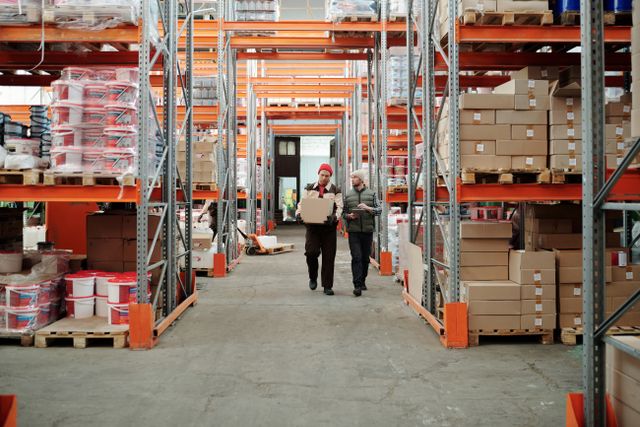
Manage procurement, inventory, warehouses, order fulfillment, dispatches, logistics, and multi-location distribution operations.
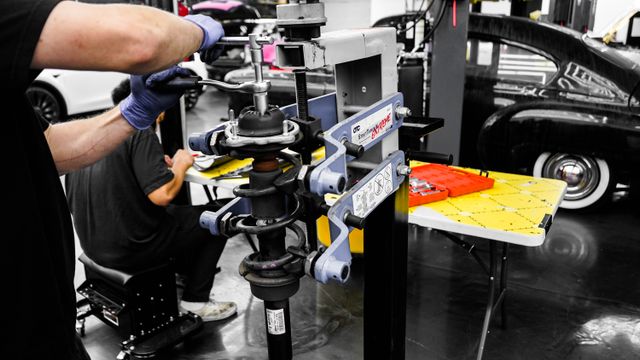
Manage service contracts, support tickets, field operations, customer requests, billing, and operational visibility.
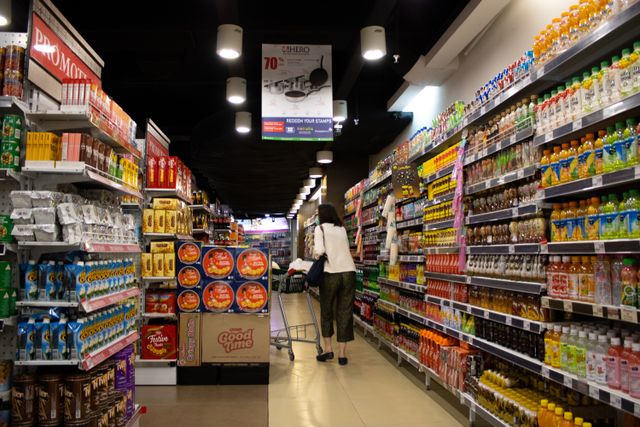
Manage distributors, sales teams, inventory movement, schemes, demand forecasting, and retail distribution.
Whether you operate a small factory or multiple plants, structured ERP implementation ensures operational clarity, margin visibility, and long-term scalability.
Designed for production-driven environments
Centralized control across locations
GST & audit-aligned reporting
Supports growth without disruption